


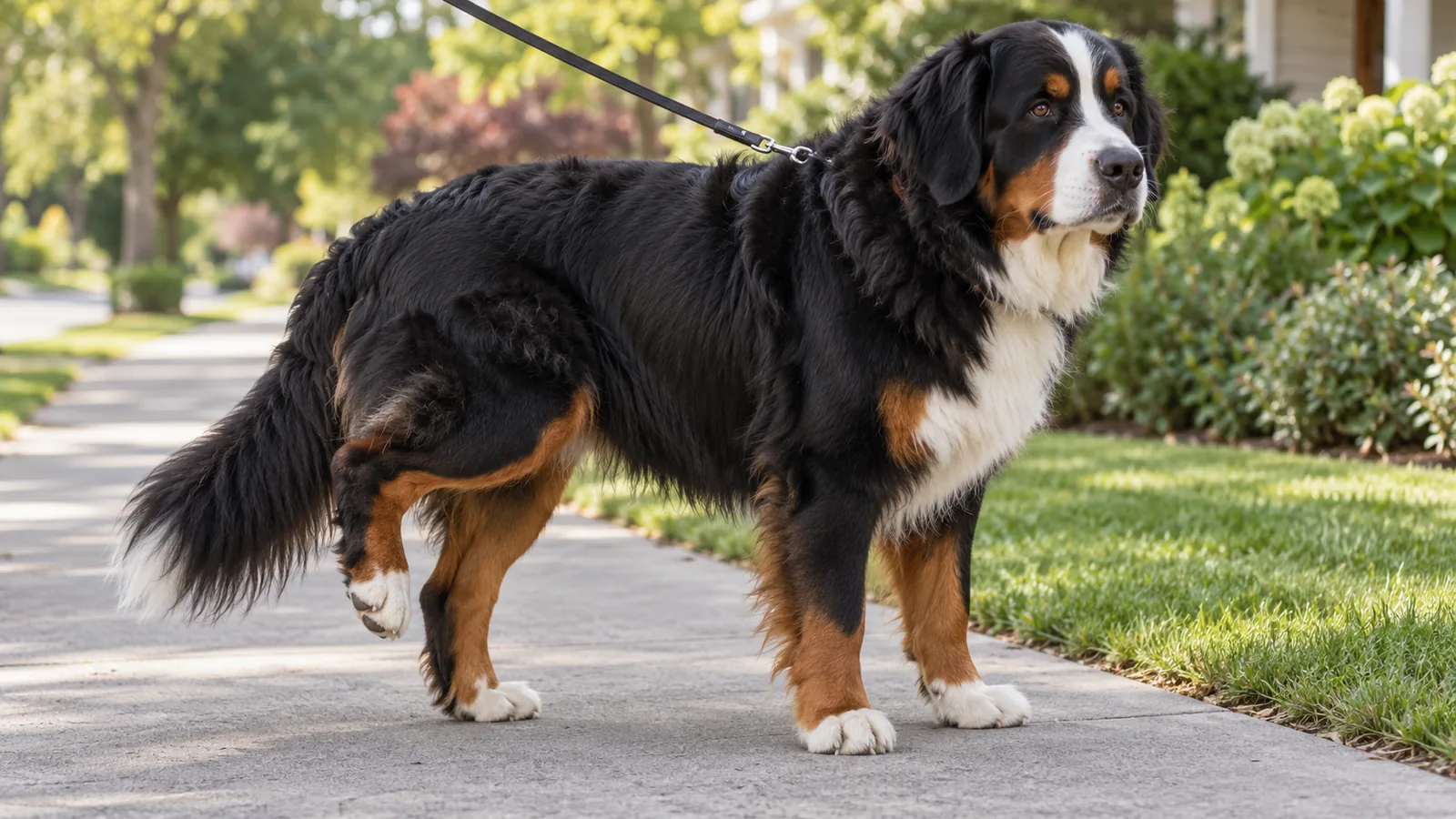
If your dog is limping on a back leg, especially after running, jumping, or playing, a torn cruciate ligament could be the cause. Some dogs suddenly refuse to put weight on the leg, while others develop a mild limp that comes and goes or gets worse after exercise. You might also notice your dog having trouble getting up, hesitating on stairs, or sitting with one back leg stretched out to the side. These are common signs of a cruciate ligament injury, but other knee and joint problems can look very similar. The only way to know for sure what's causing the limp is through a veterinary exam.
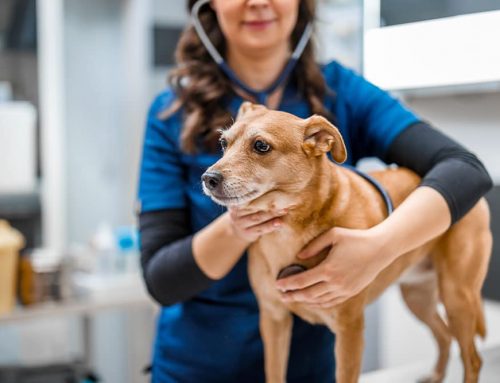
At Twin Maples Veterinary Hospital in Dayton, we check for cruciate ligament injuries by gently examining your dog's knee for pain, swelling, and unusual movement that can indicate a torn ligament. We may also recommend digital X-rays to look for changes in the joint and rule out other causes of lameness. If your dog does have a cruciate tear, we'll explain the treatment options, including whether TPLO surgery performed here in our hospital may be appropriate for them. We're open seven days a week, so you don't have to wait long to get answers. If your dog has been favoring a back leg, schedule an exam and let us help you figure out what's going on.
Cruciate Tears in Dogs: Start Here
- Many cruciate tears are the end of months of quiet ligament wear, not a single bad landing.
- A torn ligament doesn't heal, and the knee stays unstable until it's repaired, which is why arthritis and meniscal damage build while a dog waits.
- Surgery gives most medium, large, and giant-breed dogs better long-term use of the leg, while some very small dogs do well on a conservative plan.
- The two to three months of controlled activity at home matter as much as the repair itself.
What Does the Cruciate Ligament Do, and Why Does It Tear?
The cranial cruciate ligament is a short band inside the knee that keeps the shin bone from sliding forward under the thigh bone every time a dog pushes off. Tear it, and those two bones shift against each other with every stride, and that shifting is what hurts.
Many cruciate ligament injuries in dogs build slowly as the ligament frays over months, so the tear itself often happens during an ordinary trot across the yard rather than a dramatic fall. Several things speed that wear along.
- Knee shape: The top of the shin bone tilts backward where it meets the knee, and a steeper tilt, called the tibial plateau angle, strains the ligament more with each stride.
- Breed: Rottweilers, Labrador Retrievers, Newfoundlands, and Staffordshire Terriers tear this ligament more often than average, and small dogs aren't exempt.
- Body condition: Extra pounds raise the force traveling through the joint, and we score body condition and provide weight guidance at routine wellness exams.
- Activity pattern: A frayed ligament usually fails during hard pivoting, so sprinting and cutting take more out of it than steady daily walking.
Once one side tears, the other knee is at increased risk because the same slope and the same wear exist on both sides, and now there is more stress on it as your dog shifts weight to the other leg.
Which Signs Point to a Cruciate Tear Rather Than Another Hind-Leg Problem?
A cruciate tear follows a pattern a simple strain doesn't. Limping that eases after a few quiet days and then comes back the moment your dog runs again points toward a partial tear rather than a bruise that healed. A complete tear is more obvious: a yelp mid-turn, then a leg held off the ground.
- The sit: Dogs with a sore knee often sit with that leg kicked out to the side instead of folded underneath.
- Everyday movements: Stairs, the jump into the car, and getting up off cool tile all get slower first.
- Swelling and stiffness: The inside of the joint can feel thickened, and stiffness tends to follow rest rather than play.
- Muscle loss: Over a few weeks the thigh on the sore side gets visibly smaller than its partner.
- A click or pop: Noise can mean the meniscus, the cartilage cushion inside the knee, has torn as well.
Plenty of other problems start the same way, and none of them answer to the same plan. A muscle strain, a slipping kneecap, a fracture, hip arthritis, and in an older large-breed dog a bone tumor all begin as a dog favoring a back leg. A phone video of your dog walking at home, plus notes on which leg and which days, makes that first exam faster.
Will a Torn Cruciate Heal With Rest Instead of Surgery?
A torn cruciate won't repair itself, and rest only hides the problem: the soreness eases for a few weeks while the knee keeps slipping under every step. Arthritis advances far faster in an unstable knee, and the joint capsule thickens as the body tries to brace what the ligament no longer can.
The meniscus is the other casualty. That cushion sits right where the unstable bones grind, and once it tears, a dog who was coping may be unable to settle at night. The thigh muscle wastes at the same time and the good back leg takes on work it wasn't built for, so a dog who has limped for six months starts recovery from further behind. Those changes keep building while you wait, so book an orthopedic evaluation at our Dayton hospital while the ligament is still the only problem in that knee.
When Is a Non-Surgical Plan the Right Call?
Conservative management means strict confinement, prescription anti-inflammatories, and physical therapy instead of surgery, and it has the best odds in very small dogs, whose knees carry far less force. For most medium, large, and giant breeds, a repair restores better long-term function and slows arthritis more effectively.
- Strict confinement: weeks of leash-only bathroom trips, no stairs, no couch, and no zoomies down the hallway.
- Prescription anti-inflammatories: these keep a dog comfortable enough to use the leg, which is how muscle stays on it. Never give your dog ibuprofen, naproxen, or aspirin from your own cabinet, because those damage a dog's stomach and kidneys at doses that look small.
- Physical therapy: range-of-motion work and slow, measured walking keep the joint moving while the rest of the plan holds the knee quiet.
The split isn't clean in either direction. A small dog who stays painful, or a ten-pound dog who hikes four miles every weekend, may still do better with a repair, and a big dog whose heart condition makes anesthesia risky may need the conservative plan instead. If you're weighing the two, reach out to us and we'll go over your dog's size, age, activity level, and other health problems with you.
How Is a Torn Cruciate Diagnosed, and What Do X-Rays Show?
Diagnosis starts with hands on the knee, feeling for the forward slide of the shin bone that happens only when the ligament has given way, and most dogs are confirmed at that first visit. X-ray imaging doesn't show the torn ligament itself, but it does show the bone spurs, joint changes, and early arthritis that tell us how long the knee has been unstable. Sedation is usually needed to get an accurate test of the knee and to keep your dog still for X-rays, and we’ll go over the plan with you in detail first.
- Watching your dog move: we look at how the leg loads at a walk and a trot.
- The hands-on tests: cranial drawer and tibial compression, two ways of gently shifting the joint by hand to feel that forward slide.
- X-rays: Digital X-rays of both knees and the hips also rule out a fracture or a bone tumor behind the same limp.
- A second look: partial tears can stay subtle, so the answer sometimes arrives at a recheck a few weeks later, once a little more of the band has failed.
MRI shows soft tissue detail that X-rays cannot, and it's used in complex cases where meniscal damage or an unusual injury pattern is suspected. We don't have an MRI here, and most cruciate cases never need one.
How Do You Choose Between TPLO, TTA, and an Extracapsular Repair?
The options sort mostly by size, anatomy, and what your dog does all day. A TPLO is the usual recommendation for medium, large, and athletic dogs, because it stabilizes the knee by reshaping bone rather than asking a suture to stand in for the ligament.
| Repair | What it changes | Usually suits |
| TPLO | Levels the slope of the upper shin bone and holds it with a plate, so the joint stays stable with no ligament stand-in | Medium, large, giant, and athletic dogs |
| TTA | Moves the attachment of the kneecap tendon forward to cancel out the same forward slide | Dogs whose knee shape favors it |
| Extracapsular repair | Anchors heavy suture outside the joint to do the ligament's job while scar tissue builds | Smaller, lighter, less active dogs |
Whichever repair a knee gets, the meniscus gets inspected during surgery, because a missed tear there keeps a dog sore after a technically perfect operation. Our team performs many complex orthopedic repairs here, TPLO included, though some knees with severe damage are better served by a boarded surgeon. If your dog's knee is one of them we'll say so at the exam and help set that referral up. Twin Maples provides TPLO surgery for dogs in Dayton using laser surgical techniques that decrease pain and speed healing, and we are the first of Dayton hospitals to provide this life-changing procedure.
How Long Is Recovery After Cruciate Surgery?
Rehabilitation rebuilds the thigh muscle lost while your dog was limping and gets the knee bending fully again.
| When | At home | What we check |
| First two weeks | Leash trips for bathroom breaks only, incision kept dry, no stairs or jumping | Incision healing and whether the pain plan is holding |
| Weeks three to eight | Slowly longer leash walks and gentle range-of-motion work, still no off-leash running | Weight-bearing, thigh muscle, swelling after activity |
| Two to four months | Gradual return to trotting, gentle hills, and normal walks | Bone healing on recheck X-rays, and how the other knee looks |
Formal rehabilitation adds underwater treadmill work and hands-on therapy, and some dogs do better for it, while many get there on a home program of range-of-motion work, sit-to-stands, and slow leash walking. Our doctors decide when your dog moves up a stage based on how that joint looks at each recheck, not on the calendar.
How Do You Manage a Dog's Cruciate Recovery at Home?
Most of recovery happens at home: keeping a restless dog quiet while bone and soft tissue heal, then rebuilding strength without a sprint across a slick floor. Plan on two to three months of controlled activity and a confined space your dog can tolerate.
How Do You Keep a Dog Still for Weeks?
Most of it is setup, plus knowing what to call us about.
- Put the crate where the family is: crate rest goes easier in the living room where your dog can see everyone, and puzzle feeders, lick mats, and short training games a dog can do lying down burn real energy.
- Keep a leash on for yard trips: even in a fenced yard, one chase after a squirrel can undo weeks of healing.
- Cover slick floors: runners over hard floors keep the walk to the water bowl from turning into a slip.
- Watch the incision: keep the cone on if your dog goes for it, and call us if it opens, drains, or swells, or if a dog who was using the leg suddenly stops.
- Tell us if your dog can't settle: sedatives exist for exactly this, and a dog crashing against the crate door is the bigger risk.
- Talk to us before any travel: if a trip falls inside the recovery window, ask before boarding your dog anywhere, because a healing knee needs the same confinement and medication schedule away from home.
What Keeps the Other Knee From Tearing Too?
Warm-ups and cooldowns help dogs the way they help human athletes, so give a few minutes of slow leash walking on either side of activity. Keeping your dog lean does more for a sore knee than anything on the supplement shelf: in studies of arthritic dogs, weight loss alone improved mobility before any medication was added. We'll set a target weight and a feeding plan with nutrition counseling and weight management.
A ramp into the car takes the jump out of the trip, and steps off the bed or couch help too. Fetch and frisbee are the last things to come back, as you should avoid high-impact activities and anything that requires fast stops or turns. Keep a short log of each day's activity and any stiffness the next morning, because that record tells us when to open activity up and when the other knee needs a look.
What Else Families Ask About a Torn Knee
Why might my dog need sedation for a knee exam?
A sore dog braces the leg, and a braced knee can hide the exact movement we're checking for. Light sedation lets those muscles relax, and it's also when we get the cleanest X-rays, since a comfortable patient holds the position we need. Some dogs show us the slide while awake, and we always start there.
Does the repair need to happen right away?
A cruciate tear isn't a surgical emergency, so there's room to plan around your schedule and your dog's other health needs. Most dogs do best when surgery follows within weeks of the diagnosis rather than months, because arthritis, muscle loss, and meniscal damage all keep building while the knee stays unstable.
What will my dog be able to do a year after surgery?
Most dogs get back to the walks, the stairs, and the games they had before. Arthritis already in the joint doesn't disappear, so some dogs stay a little stiff after a big day and do better on a long-term comfort plan. Staying lean and conditioned is what keeps that leg working for years.
What to Do About a Dog Who's Favoring a Back Leg
A limp that comes and goes is worth an exam now. Twin Maples Veterinary Hospital can tell you what's happening in that knee, show you the images, and lay out whether a TPLO, another repair, or a conservative plan fits your dog. And because the other knee carries the same risk, we'll check that side at rechecks as your dog gets older.
Give us a call here in Dayton when you notice your dog favoring a back leg, and let’s get them back to having a comfortable, active life.


Leave A Comment